'BMW', when we hear this name, images of superior German engineering, sophisticated design, or cars that offer the pure joy of driving may come to mind. Today, I'd like to talk about the history of such a company, BMW.
BMW, or Bayerische Motoren Werke AG, is a globally recognized manufacturer of automobiles and motorcycles. In fact, nowadays it is rare to find someone who doesn't know the name BMW.
BMW is short for Bayerische Motoren Werke, which means "Bavarian Motor Works" in German. The company's name is derived from the Bavarian region of Germany, where BMW first started manufacturing engines. In English, we pronounce it 'Bee-Em-Double-Yu', while in German it's 'Bay-Em-Vay'.
BMW manufactures luxury cars, motorcycles, and even just engines. The company is headquartered in Munich. As the name Bayerische Motoren Werke suggests, the company has a sense of pride in its Bavarian roots.
BMW's logo consists of a circle in white and blue, symbolizing the early history of aircraft engine manufacturing. This logo is often misinterpreted as representing a rotating propeller, but in fact, it represents the colors of the Bavarian state.
BMW's Distinctiveness and Differentiation from Other Brands
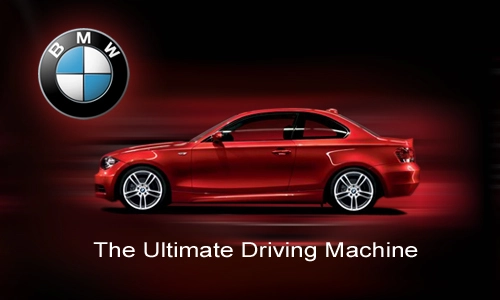
BMW is well known for its high-performance and driver-centered vehicles under the slogan "Sheer Driving Pleasure". BMW always aims to offer the best engineering, luxurious design, and the pure joy of driving.
BMW has several unique differentiating features compared to other automakers. One of them is the manufacture of vehicles with a "50:50" weight distribution. This means that 50% of the vehicle's weight is distributed to the front and 50% to the rear, which plays an important role in improving handling and stability.
Additionally, BMW has its own unique lineup of vehicles, ranging from the compact 1 Series to the large luxury sedan, the 7 Series. The high-performance 'M' models and the latest electric 'i' models are also included.
Company Location: BMW Tower

BMW's headquarters is located in Munich, Germany. This headquarters includes the famous 'BMW Tower' and 'BMW Welt'. The BMW Tower, also known as the 'four-cylinder' due to its unique shape, is recognized as a symbolic architectural structure of the company. BMW Welt is a space where the company's cars are displayed and sold, allowing visitors to experience BMW's latest models and technology.
Moreover, BMW has manufacturing facilities all over the world. There are factories manufacturing cars and engines not only in Germany but also in the USA, UK, China, India, and other countries. This global network allows BMW to offer competitive vehicles globally.
HISTORY
Early History of BMW: A Great Beginning
The history of BMW dates back to 1916 when Bayerische Flugzeugwerke AG (BFW), or Bavarian Aircraft Works, was founded by Franz Josef Popp and Karl Rapp. BFW focused on manufacturing engines for German military aircraft during World War I.
However, with the end of World War I in 1918 and the onset of peace, demand for the aviation industry plummeted. As a result, BMW had to find a new business direction, which eventually led them to shift towards automobiles and motorcycles.
In 1923, BMW launched its first motorcycle, the R32. This model used an innovative air-cooled boxer twin engine and a cardan shaft to replace the chain, which was revolutionary at the time. The R32 brought innovation to the motorcycle industry and demonstrated BMW's technological prowess to the world.
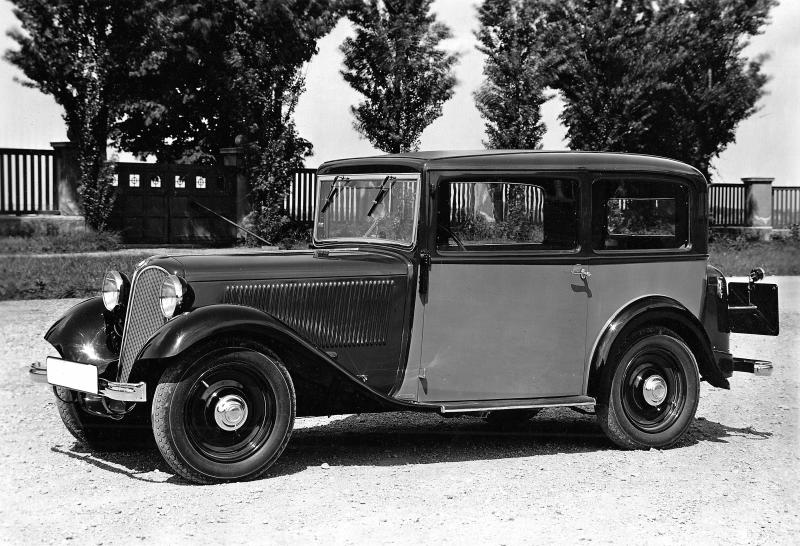
In 1928, BMW ventured into the automobile manufacturing industry by acquiring 'Dixi', a car manufacturer. Their first car, the Dixi 3/15, was essentially the German version of the Austin 7. Later, in 1933, BMW released the 303, which was the first model to introduce the distinctive kidney grill and inline six-cylinder engine, features that BMW is known for.
This process of transforming from an aircraft engine manufacturer to a global automobile and motorcycle manufacturer allowed BMW to establish its own technological capabilities and design philosophy. Despite the difficulties and changes they faced early on, BMW has continuously designed unique products while maintaining their brand spirit of 'the pure joy of driving'. This history has shaped BMW into the global automotive brand that we know today.
Entering the 1930s, BMW began to focus on manufacturing larger and more powerful vehicles. During this period, popular models such as the BMW 327 and BMW 328 were born. In particular, the BMW 328 proved to be successful in the sports car market of the time.
World War II and BMW: A Time of Challenge
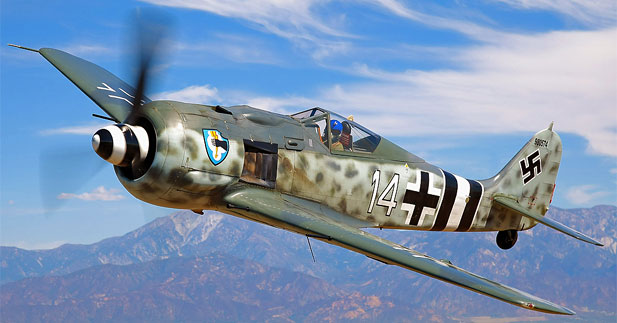
The Second World War was a period that had a significant impact on the history of BMW. During this time, BMW had to revive its role as an aircraft engine manufacturer, resulting in a major shift in the company's strategy and production line.
With the onset of the war, BMW focused again on the production of aircraft engines to support the German forces. The BMW 801 was one of the most important aircraft engines they developed during this period, used in several famous German fighters, such as the Focke-Wulf Fw 190.
However, these activities dealt a major blow to BMW when the war ended and Germany was defeated. After the war, most of BMW's main factories were either destroyed or occupied by the Soviet Union. Moreover, BMW could not avoid allegations of using forced labor during the war. This severely damaged the company's image and took a considerable amount of time to rehabilitate.
Post-war, BMW refocused on the manufacture of cars and motorcycles, but it was not easy. Since their main factories were destroyed or occupied, BMW had to start from scratch.
Despite these difficulties, BMW managed to overcome and succeed in growing into a global automotive manufacturer once again. The experience of this period taught BMW a crucial lesson: that the ability to face challenges and overcome problems has become a core value of BMW. This played an important role in today's BMW continually introducing innovation into their products and technology and striving to surpass their limits.
World War II BMW: Revival and Innovation
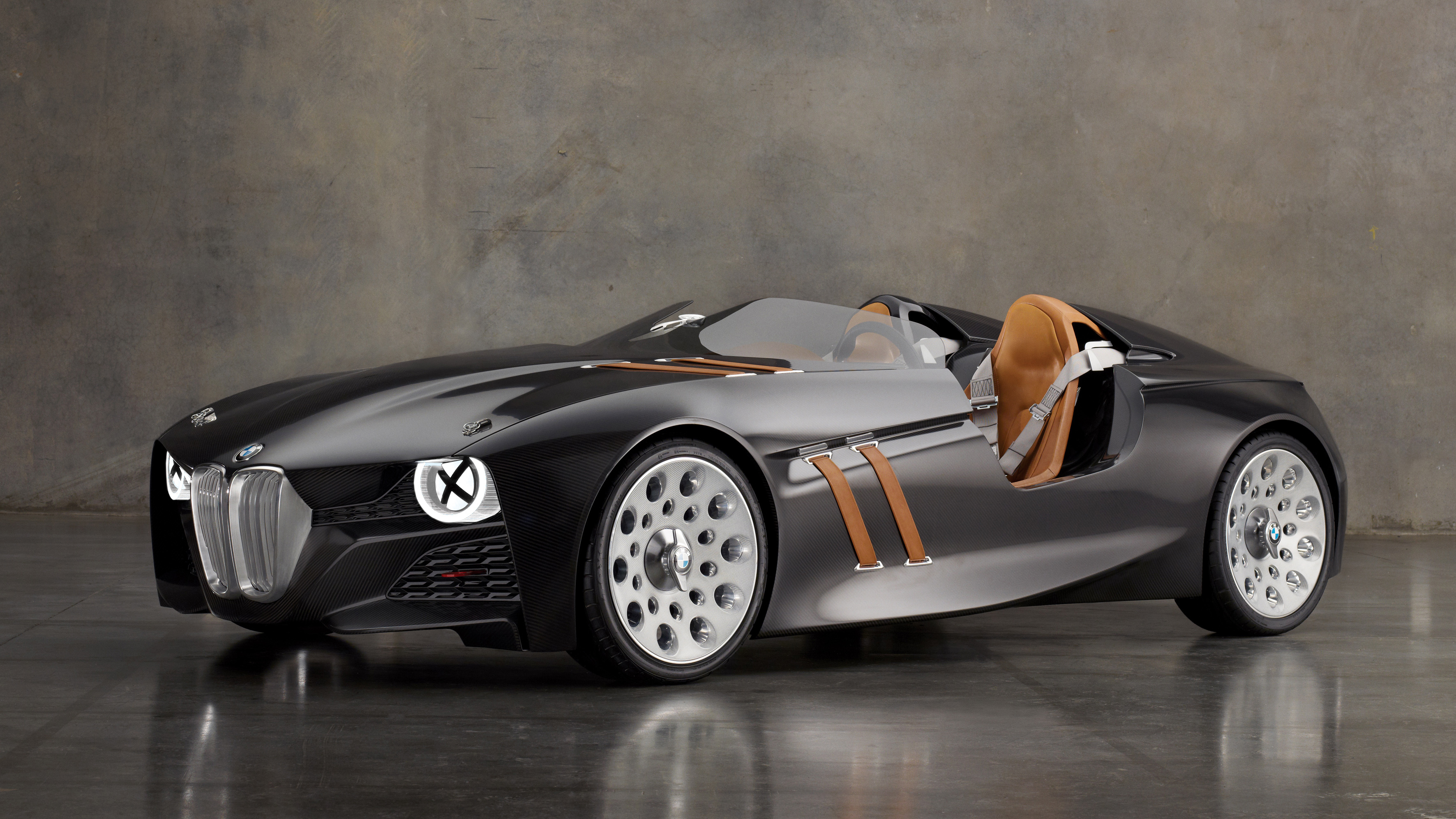
After World War II, BMW walked a path of revival through many difficulties. With main factories destroyed or occupied due to the war, BMW decided to focus again on car and motorcycle production.
In 1951, BMW returned to car manufacturing, and its first model was the BMW 501. Although this car did not achieve great success, it served as a stepping stone for BMW to reenter the luxury car market.
In 1955, the BMW Isetta was introduced. This small car was a great success in the compact car market and rescued BMW from an economic crisis. Then, in 1962, the BMW 1500 was introduced, marking the start of BMW's 'New Class' series. This series was comprised of models that embodied BMW's technical prowess and sophisticated design, centered on mid-size sedans. This series brought great success to BMW, playing a crucial role in making BMW the premium car brand it is today.
The 1980s saw the launch of the BMW 3 series and 5 series, both of which were hugely popular in their respective segments. Also, during this period, BMW introduced the 'M' series, a high-performance sports car series that demonstrated BMW's technical skills and passion for performance.
Entering the 21st century, BMW has continually strived for innovation. This was especially evident in the launch of the 'i' series, a line of environmentally friendly hybrid and electric cars. This series demonstrated BMW's forward-thinking approach and their commitment to sustainable mobility.
Today, BMW is a globally recognized premium car brand, producing vehicles with outstanding quality and performance in the luxury sedan, sports, and electric car segments.
In the early 21st century, BMW launched models aimed at a wider customer base. These included the compact BMW 1 series and the crossover SUV X series. These models allowed BMW to reach beyond its traditional customer base to a variety of consumer groups, and as a result, the company's global sales continued to grow.
In addition, BMW is pushing for the digitization and connectivity of cars. BMW is developing technologies that play important roles in modern cars, such as in-car entertainment systems, autonomous driving technology, and vehicle-to-vehicle communication. These efforts are another example of BMW's technical prowess and innovative capabilities.
Appendix. BMW's Owner Family, The Quandt Family
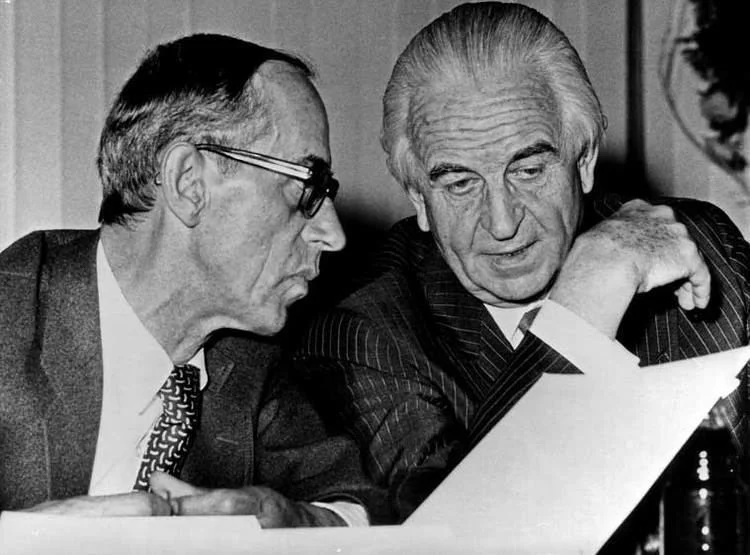
The modern history of BMW is inextricably linked with the Quandt family. In 1959, BMW faced a crisis in management, and the Quandt family invested in BMW to bail out the company. Herbert and Harald Quandt led the company for many decades afterwards, and BMW grew into a global automobile manufacturer.
'IT & Tech. Eng' 카테고리의 다른 글
| BMW 3시리즈: 펀드라이빙의 아이콘 (0) | 2023.05.31 |
|---|
